


Check Engine Light Diagnostic in Englewood, FL
Engine Light Analysis and Repair Solutions
Understanding Your Vehicle’s Warning System
When your check engine light illuminates on your dashboard, it means your vehicle’s engine control module (ECM) is indicating that something requires attention in your engine or emissions system. At Emery Auto & Diesel Repair, our experienced technicians understand that this warning light can trigger anxiety for drivers throughout Englewood, Florida. With over 35 years of Ford Senior Master Technician experience, owner Shawn Emery brings dealership-level expertise to independent automotive service. Our comprehensive check engine light diagnostic process begins with advanced OBD-II scanner technology that reads diagnostic trouble codes (DTCs) stored in your vehicle’s computer system. These codes provide specific information about which engine sensors or systems are experiencing issues, whether it’s your oxygen sensors, mass airflow sensor, or catalytic converter. Rather than simply clearing codes and hoping the problem disappears, we perform thorough testing to identify the root cause of your engine warning light.
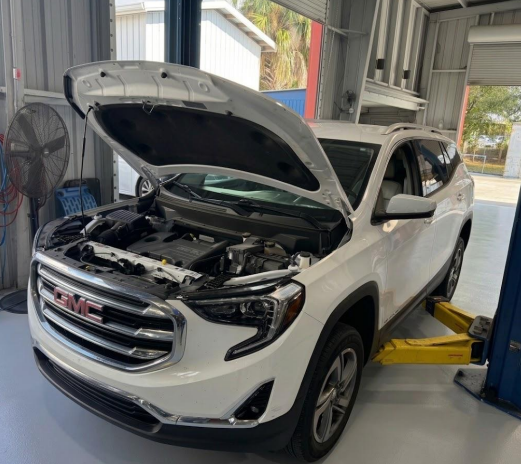
Advanced Diagnostic Equipment and Testing Procedures
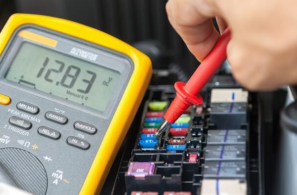
Our state-of-the-art diagnostic equipment goes beyond basic code reading to provide comprehensive engine performance testing that identifies intermittent issues and system malfunctions. When you visit our facility at 6436 San Casa Dr, Englewood, FL 34224, our technicians utilize professional-grade OBD-II scanners that access manufacturer-specific data streams and live sensor readings. This advanced capability allows us to monitor fuel system components, engine sensors, and emissions system performance in real time while your engine is operating. We understand that a flashing check engine light indicates a more serious condition that could damage your catalytic converter, requiring immediate attention to prevent costly repairs. Our diagnostic process includes testing oxygen sensors for proper voltage output, evaluating mass airflow sensor readings for accurate air measurement, and analyzing fuel system pressure and delivery. Each diagnostic trouble code receives individual attention, as multiple codes often indicate related system failures that require comprehensive repair strategies rather than isolated component replacement.
Comprehensive Engine Performance and Emissions Analysis
Beyond initial code reading, our check engine light diagnostic service includes an extensive engine performance evaluation to ensure your vehicle operates efficiently and passes emissions testing requirements. Poor engine performance, reduced fuel economy, and engine running rough are common symptoms that accompany an illuminated check engine light, often indicating issues with fuel delivery, ignition timing, or emissions control systems. Our technicians perform systematic testing of engine sensors, including throttle position, coolant temperature, and crankshaft position sensors, to verify proper signal transmission to your engine control module. We also evaluate catalytic converter efficiency through specialized testing procedures that measure conversion rates and system backpressure. When fuel system components require attention, we test fuel pump pressure, injector flow rates, and fuel pressure regulation to ensure optimal engine performance. Our comprehensive approach means you receive complete engine light troubleshooting that addresses underlying causes rather than temporary symptom relief. Contact us at (941) 548-4070 during our business hours mon – fri: 8am – 5pm to schedule your professional diagnostic service.









Frequently Asked Questions About Check Engine Light Diagnostics
Most diagnostic procedures require 1-2 hours, depending on code complexity and system testing requirements. However, some intermittent issues may require extended monitoring.
A steady check engine light usually allows continued driving. However, a flashing light indicates a serious risk of engine damage and requires immediate service to prevent costly repairs.
While some temporary codes may clear after several driving cycles, most issues require professional diagnosis and repair before the light extinguishes permanently.
Common causes include faulty oxygen sensors, loose gas caps, catalytic converter issues, mass airflow sensor problems, and ignition system malfunctions affecting engine performance.
Yes, because engine control modules detect problems before you notice symptoms, and early diagnosis prevents minor issues from becoming major, expensive repairs.